
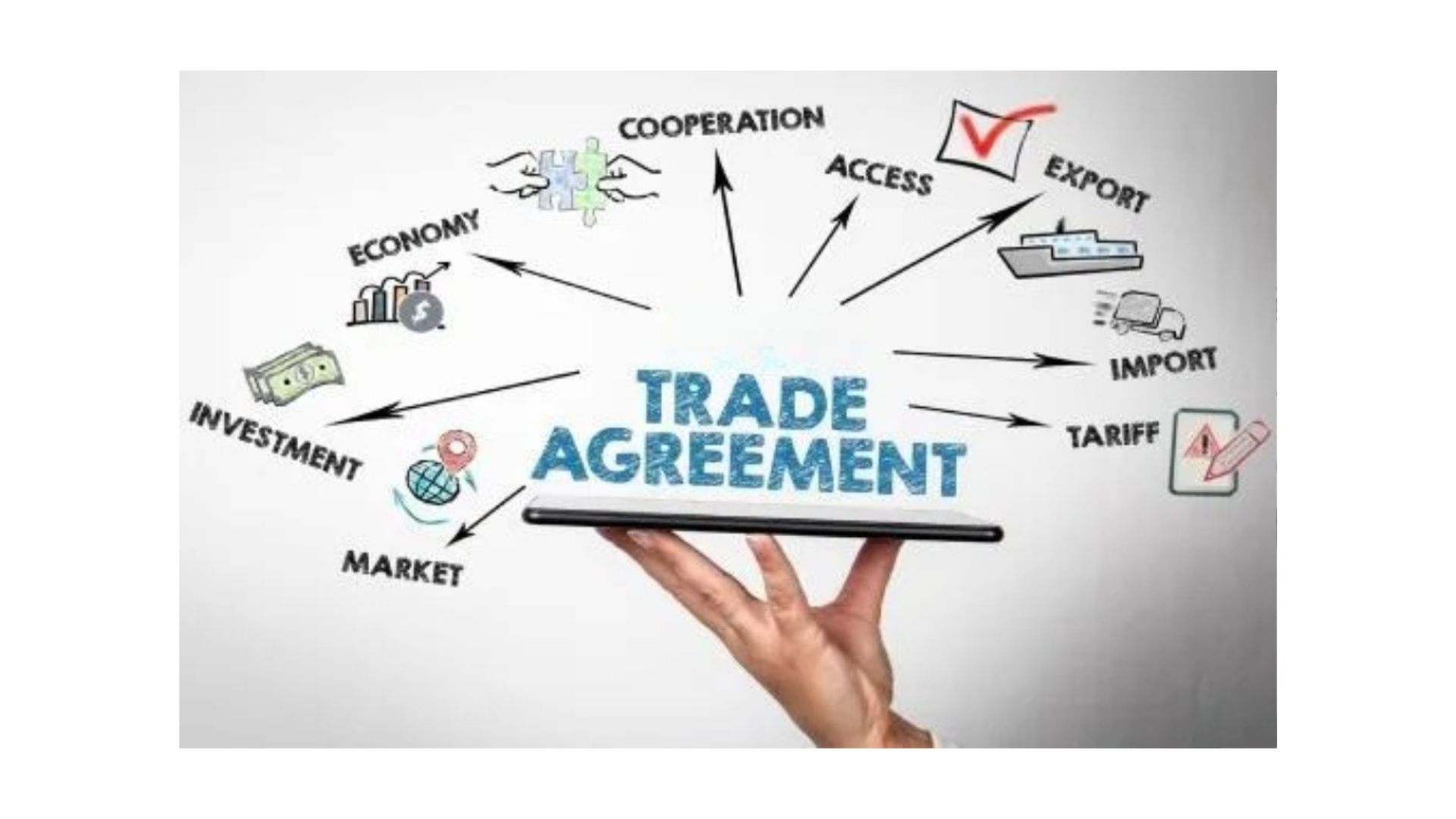
Global trade agreements are entering a period of fundamental change. For decades, B2B firms operated in a world shaped by globalization, predictable tariff reductions, and multilateral cooperation. Today, geopolitical tensions, economic uncertainty, technological shifts, and national security concerns are redefining how countries negotiate trade. These changes are not theoretical — they are already influencing how B2B companies structure supply chains, choose markets, manage risk, and plan long-term growth.
- Trade agreements now reflect political and strategic priorities, not just economic efficiency
- B2B firms are increasingly exposed to policy changes beyond their control
- Trade rules are becoming more complex and region-specific
- Long-term planning requires deeper awareness of global policy trends
The Shift from Globalization to Regional and Bilateral Trade –
One of the most important developments in global trade is the gradual move away from broad multilateral agreements toward regional and bilateral deals. While institutions like the WTO remain relevant, progress on large, global trade frameworks has slowed. In response, countries are forming smaller trade blocs to secure supply chains, protect domestic industries, and strengthen regional influence. For B2B firms, this shift changes where opportunities exist and how competitive advantages are built.
- Growth of regional trade blocs such as Asia-Pacific and Middle East partnerships
- Increased importance of country-specific compliance and trade rules
- Uneven access to markets depending on a firm’s geographic footprint
- Higher strategic value of regional manufacturing and sourcing hubs
Rising Trade Uncertainty and Its Impact on B2B Strategy –
Trade agreements are no longer static, long-term frameworks. They are increasingly revised, renegotiated, or challenged due to political changes, elections, or economic shocks. This uncertainty affects B2B firms more deeply than consumer businesses because of long contracts, capital-intensive investments, and extended supply chains. Companies must now factor trade policy risk into strategic decision-making at the highest level.
- Greater volatility in tariffs and import/export regulations
- Increased risk for long-term cross-border contracts
- Need for contingency planning in procurement and logistics
- Stronger role of legal and policy teams in business strategy
Supply Chain Restructuring Driven by Trade Agreements –
Modern trade agreements increasingly influence how and where B2B firms build supply chains. Rules of origin, customs procedures, and tariff incentives push companies to rethink sourcing and production locations. Many firms are reducing dependence on single countries and spreading operations across multiple regions to reduce exposure to trade disruptions. This restructuring is costly but often necessary for resilience.
- Movement toward diversified and regional supply chains
- Increased focus on compliance with origin and documentation rules
- Higher demand for supply chain transparency and traceability
- Strategic relocation of manufacturing and assembly operations
Digital Trade Provisions and the B2B Economy –
New trade agreements are expanding beyond physical goods to include digital trade, data flows, and cross-border services. For B2B firms, especially in technology, logistics, finance, and professional services, these provisions are becoming just as important as tariff reductions. The ability to move data securely across borders, use digital platforms, and automate transactions will increasingly determine competitiveness.
- Trade agreements now address data protection and cross-border data flows
- Digital services are gaining stronger legal recognition in trade frameworks
- B2B firms must align IT systems with international compliance standards
- Competitive advantage is shifting toward digitally mature organizations
Strategic Implications for B2B Leadership –
The future of global trade agreements demands a more proactive and informed leadership approach within B2B organizations. Trade policy can no longer be treated as a background issue handled only by compliance teams. It directly affects pricing, investment decisions, market entry strategies, and partnerships. B2B leaders who understand and anticipate trade developments are better positioned to protect margins and identify new growth opportunities.
- Trade awareness is becoming a board-level concern
- Stronger integration between strategy, legal, and operations teams
- Long-term investments must account for policy and geopolitical risk
- Firms that adapt early gain structural advantages over competitors
Conclusion –
The future of global trade agreements will be defined by fragmentation, regionalization, and increasing complexity. For B2B firms, this new reality presents both risks and opportunities. Companies that rely on outdated assumptions about open markets and stable trade rules may struggle, while those that actively monitor policy shifts, diversify supply chains, and invest in digital and strategic resilience will be better prepared for long-term success. In a world where trade policy and business strategy are deeply interconnected, understanding global trade agreements is no longer optional — it is essential for sustainable B2B growth.