
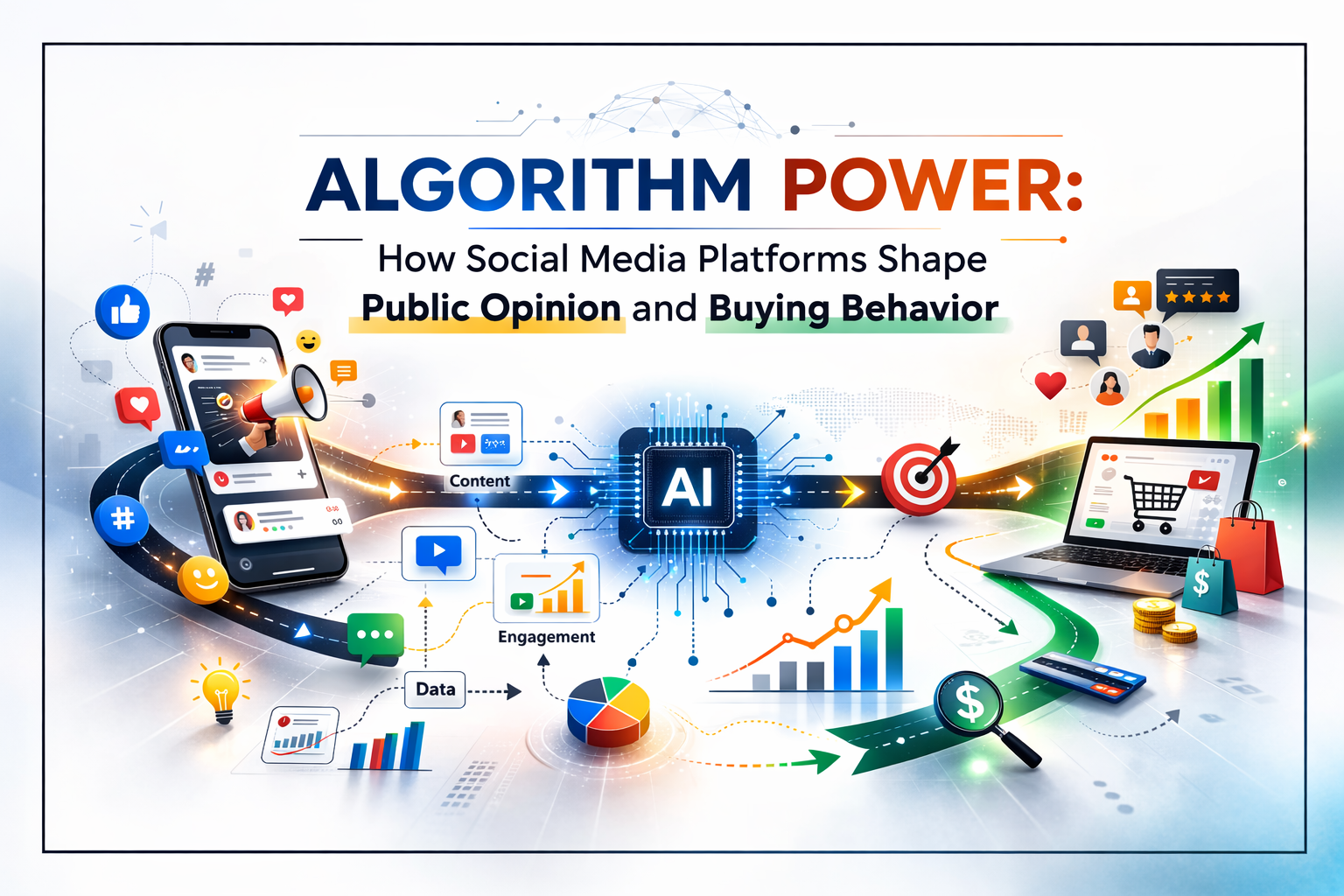
Digital platforms have transformed from simple networking tools into powerful information gatekeepers that shape what billions of people see, think, and buy. Platforms like TikTok, Instagram, YouTube, and Facebook use complex algorithms to curate personalized feeds based on user behavior. These systems analyze watch time, clicks, shares, comments, and even pause duration to predict what content will keep users engaged. The longer users stay on a platform, the more advertising revenue it generates, making attention the primary currency of the digital age. Algorithms are not neutral; they prioritize content likely to spark emotional reactions such as outrage, excitement, or fear.
The Rise of Algorithmic Gatekeepers –
Social media platforms like TikTok, Instagram, and YouTube now act as digital gatekeepers of information. Their algorithms decide what content users see first. Instead of editors, machine learning systems prioritize posts based on engagement. Likes, comments, shares, and watch time influence visibility. This creates personalized feeds for every user. Over time, these feeds shape perceptions of reality. Users often believe what they frequently see represents general opinion. However, it is algorithmically filtered content. This silent filtering gives platforms enormous influence over society.
Key Points:
- Algorithms replace traditional media editors
- Engagement determines visibility
- Personalized feeds shape perception
- Frequent exposure influences beliefs
Echo Chambers and Opinion Formation –
Personalized algorithms can create echo chambers. Platforms owned by Meta often prioritize emotionally engaging content. Users repeatedly see posts that align with their views. This reduces exposure to opposing perspectives. Over time, beliefs become stronger and less challenged. Viral misinformation can spread quickly through engagement loops. During elections or crises, this effect intensifies. Public opinion may shift based on amplified narratives. Many users are unaware of this subtle influence.
Key Points:
- Personalization reinforces existing beliefs
- Emotional content spreads faster
- Reduced exposure to diverse opinions
Algorithms and Consumer Buying Behavior –
Algorithms strongly influence purchasing decisions. Platforms track browsing habits and interests. On TikTok and YouTube, ads blend with organic content. This makes marketing feel natural and trustworthy. Repeated exposure builds brand familiarity. Influencer content increases credibility. Limited-time offers create urgency. Personalized ads appear at peak engagement moments. This data-driven targeting boosts conversions.
Key Points:
- Behavioral data drives targeted ads
- Native ads increase trust
- Repetition builds brand recall
- Influencers strengthen persuasion
Economic and Political Consequences –
Algorithmic systems affect both markets and politics. Companies depend on visibility within Google and Meta ecosystems. Small algorithm updates can reduce business reach overnight. Advertising costs rise due to competition. Politically, amplified content can influence voter awareness. Governments are questioning platform accountability. Regulatory debates focus on transparency. Market power remains concentrated among few tech giants.
Key Points:
- Businesses rely on algorithm visibility
- Ranking changes affect revenue
- Rising digital ad competition
- Political narratives can be amplified
- Growing regulatory pressure
The Need for Transparency and Responsibility –
As awareness grows, calls for transparency increase. Users want to understand how feeds are curated. Marketers must balance personalization with ethics. Privacy regulations are becoming stricter worldwide. Platforms are pressured to improve accountability. Media literacy is essential for consumers. Responsible marketing builds long-term trust. The future depends on ethical algorithm design.
Key Points:
- Demand for algorithm transparency
- Ethical marketing practices required
- Stronger global privacy regulations
- User awareness is increasing
- Trust will define sustainable growth
Conclusion –
Social media algorithms shape both public opinion and buying behavior in powerful ways. They determine what information spreads and which products gain attention. While they create marketing efficiency and personalized experiences, they also raise concerns about misinformation, polarization, and market dependency. Businesses, governments, and consumers must recognize this influence. Greater transparency, ethical responsibility, and informed usage are essential. The future of digital marketing and public discourse will depend on how responsibly algorithmic power is managed.