
The Rise of the Attention Economy –
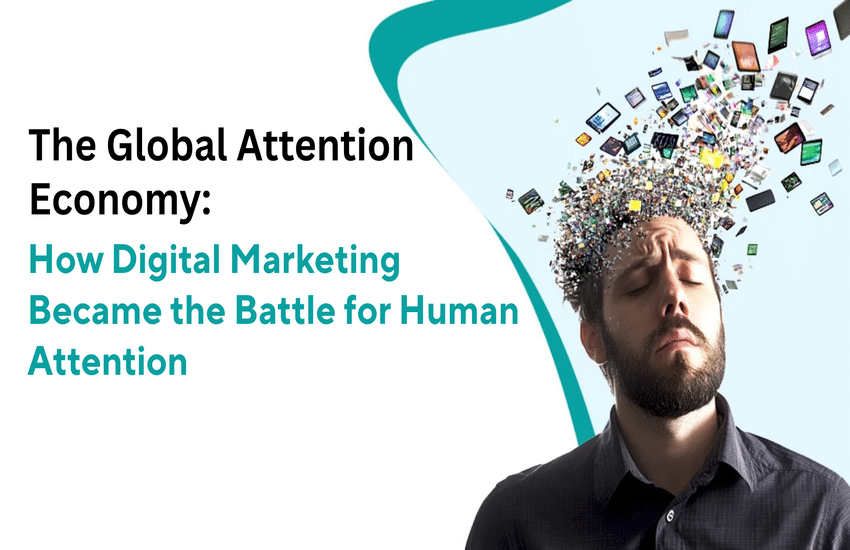
The digital world has transformed attention into one of the most valuable resources in modern business. As people spend more time online, companies compete fiercely to capture even a few seconds of user focus. Platforms built on digital engagement realized early that attention could be monetized through advertising and data collection. Over time, the competition for attention evolved into a global economic system often called the attention economy. Companies design their products, interfaces, and algorithms to keep users engaged for as long as possible. The longer people stay on a platform, the more advertisements they see and the more data they generate. Digital marketing therefore revolves around strategies that maximize visibility, engagement, and retention. Businesses across industries now depend on this system to reach consumers in a crowded online environment.
- Attention is treated as a scarce and valuable digital resource.
- Social platforms are designed to maximize user engagement time.
- Advertising revenue increases as user attention grows.
Technology Platforms Driving the Attention Battle –
Major technology companies dominate the attention economy by creating ecosystems that attract billions of users. Platforms like Google, Meta Platforms, and TikTok operate massive digital environments where users search, communicate, and consume content daily. These companies use sophisticated algorithms to decide which content appears on users’ screens. The algorithms prioritize posts, advertisements, and videos most likely to keep users engaged. As a result, businesses adapt their marketing strategies to align with these platform algorithms. The success of many brands now depends on how well their content performs within these digital systems. In this competitive environment, understanding platform behavior and algorithmic trends has become essential for marketers.
- Algorithms determine what users see and engage with online.
- Digital platforms influence global consumer behavior.
- Marketers optimize content to perform well on platform algorithms.
- Advertising systems generate massive revenue for tech companies.
Consumer Psychology in the Attention Economy –
Digital marketing strategies often rely on understanding human psychology. Platforms and marketers use psychological triggers to capture and maintain attention. Features such as notifications, likes, and personalized content create feedback loops that encourage repeated engagement. These systems are carefully designed to stimulate curiosity, reward behavior, and keep users returning to platforms frequently. Emotional content, storytelling, and visually engaging media play a significant role in capturing attention. Marketers also rely on personalization to deliver content that aligns with individual interests and preferences. As a result, digital marketing increasingly blends technology with behavioral science to influence consumer decisions.
- Notifications and alerts stimulate user curiosity.
- Personalized content increases engagement and retention.
- Emotional storytelling strengthens brand connections.
Economic Impact of the Attention Economy –
The attention economy has created a multi-trillion-dollar digital advertising industry. Businesses allocate significant budgets to online marketing because digital platforms offer measurable results and precise targeting. Companies can track user behavior, monitor campaign performance, and adjust strategies instantly. This level of data insight has made digital marketing more efficient compared to traditional advertising. The economic influence extends beyond advertising into e-commerce, entertainment, and online services. Entire industries now rely on attention-driven platforms to generate revenue. As competition intensifies, companies continue investing in innovative marketing techniques to stand out in crowded digital spaces.
- Digital advertising has become a major global industry.
- Marketing campaigns are optimized using real-time analytics.
- Online platforms connect businesses directly with consumers.
Future Challenges and Ethical Considerations –
While the attention economy has driven innovation, it also raises important ethical questions. Concerns about privacy, data collection, and digital addiction have grown significantly in recent years. Governments and regulators are increasingly examining how technology companies manage user data. For example, privacy initiatives introduced by companies like Apple Inc. have changed how advertisers track user behavior online. At the same time, consumers are becoming more aware of how their attention and data are used by digital platforms. This shift may reshape the future of digital marketing by encouraging more transparent and responsible practices. Businesses that balance effective marketing with ethical responsibility will likely gain greater trust from consumers.
- Privacy concerns influence digital marketing regulations.
- Consumers demand more transparency from tech companies.
- Ethical marketing practices build long-term brand trust.
- Data protection policies reshape advertising strategies.
Conclusion –
The global attention economy has fundamentally transformed how businesses communicate with consumers. Digital platforms, algorithms, and data-driven marketing strategies have created an environment where attention is one of the most valuable assets in the modern economy. Companies compete not only for market share but also for the limited focus of billions of users worldwide. While this system has driven rapid growth in digital advertising and technological innovation, it has also introduced new challenges related to privacy, ethics, and consumer well-being. As the digital landscape continues to evolve, marketers must adapt to changing technologies while maintaining responsible practices.