
Understanding the Complexity of Long B2B Sales Cycles –
B2B sales cycles are fundamentally different from B2C due to higher deal values, multiple stakeholders, and longer decision timelines. IT roadmaps often fail when they are built around short-term goals rather than revenue realities. Systems must support months-long nurturing, approvals, negotiations, and renewals. A misaligned IT roadmap can slow sales teams and create data silos. Technology should enable visibility across the entire buyer journey. Integration between sales, marketing, and finance becomes critical. IT teams need to understand how revenue is actually generated. This alignment reduces friction and supports predictable growth. Long cycles demand stability and scalability. IT decisions must anticipate future deal complexity.
Key characteristics IT must account for:
- Multiple decision-makers and approval layers
- Extended lead nurturing and follow-ups
- Contract-based and recurring revenue models
- Heavy reliance on CRM and analytics systems
Designing IT Roadmaps Around Revenue Models –
B2B revenue models often include subscriptions, renewals, upsells, and long-term contracts. IT roadmaps should be designed to support these revenue streams end-to-end. Systems must track customer lifetime value, churn risk, and renewal timelines. Poor alignment leads to revenue leakage and reporting gaps. IT teams should collaborate with finance and sales leadership. Roadmaps must prioritize tools that support forecasting and billing accuracy. Flexibility is essential as pricing models evolve. Technology should enable scalability without disrupting revenue flows. A revenue-aware IT roadmap improves decision-making. It also strengthens accountability across teams.
Revenue-driven IT priorities include:
- Subscription and billing system integration
- Accurate revenue recognition and forecasting
- Support for renewals, expansions, and upsells
- Data consistency across finance and sales tools
Supporting Sales Enablement Through Technology –
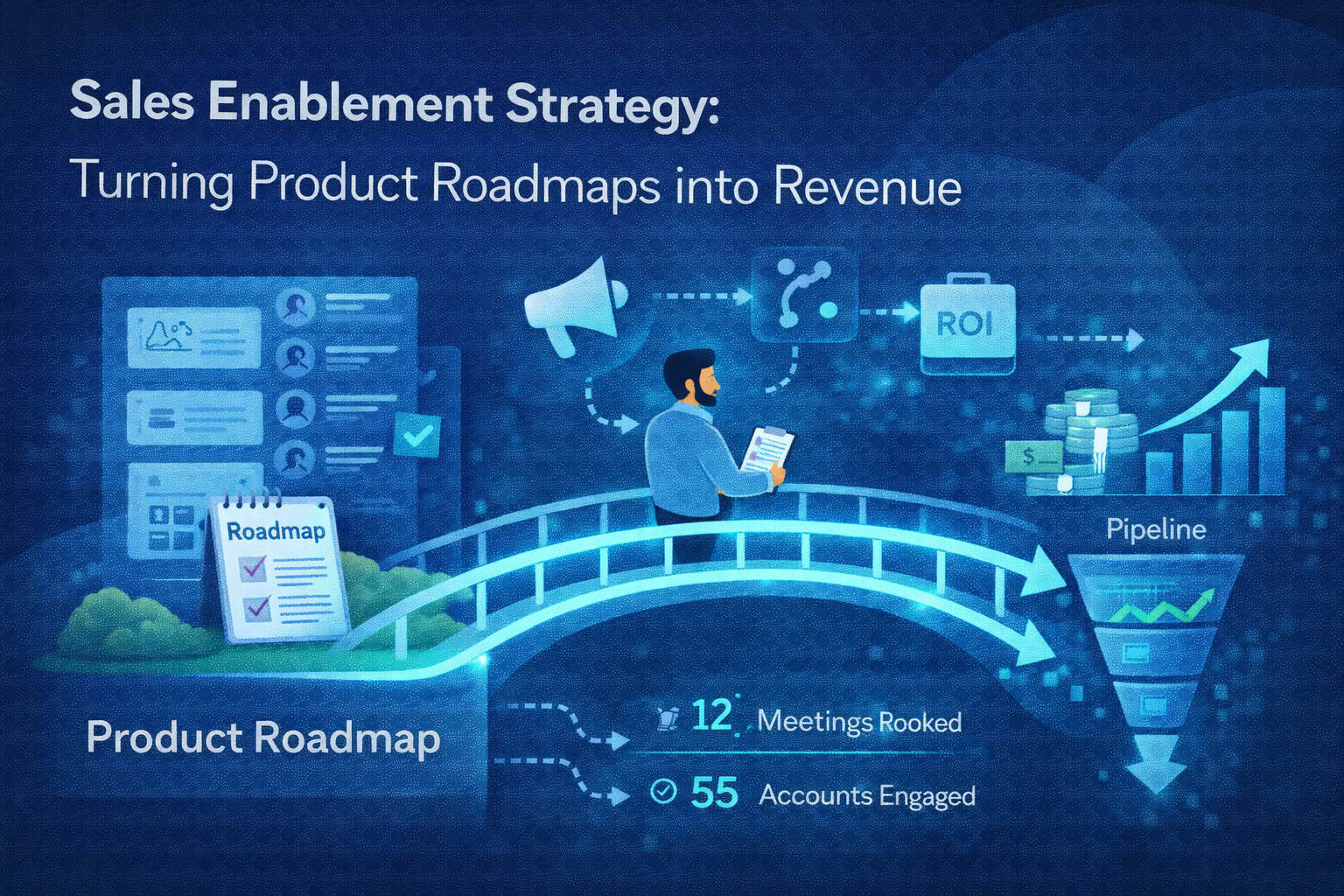
Sales teams rely heavily on IT systems throughout long B2B cycles. CRM performance, data accuracy, and tool usability directly affect deal velocity. IT roadmaps should focus on reducing friction for sales teams. Poorly integrated tools slow down follow-ups and reporting. Automation helps sales teams focus on relationship-building instead of manual tasks. Real-time access to customer insights improves engagement. IT must ensure systems scale with growing pipelines. Reliable infrastructure prevents downtime during critical deal stages. Technology should empower, not hinder, sales productivity. Alignment here directly impacts revenue outcomes.
Sales enablement technologies to prioritize:
- CRM optimization and customization
- Sales automation and workflow tools
- Data integration across touchpoints
- Analytics for pipeline and deal tracking
Enabling Data Visibility Across the Buyer Journey –
Long B2B sales cycles generate data across many systems and teams. Without a unified view, decision-making becomes fragmented. IT roadmaps should prioritize data integration and visibility. A single source of truth improves forecasting accuracy. Marketing, sales, and finance teams need shared insights. Data delays can lead to missed opportunities. Analytics help identify bottlenecks in the sales cycle. IT must ensure data quality and governance. Real-time dashboards support proactive decision-making. Visibility strengthens alignment between strategy and execution.
Critical data capabilities to build:
- Unified customer and account views
- Cross-platform data integration
- Sales cycle and funnel analytics
- Data governance and quality controls
Building Flexibility Into Long-Term IT Planning –
B2B markets change due to economic shifts, customer behavior, and competition. IT roadmaps must be flexible enough to adapt. Rigid systems struggle to support evolving sales strategies. Modular architectures allow incremental improvements. Cloud and API-based systems enable faster changes. IT teams should plan for scalability and future integrations. Regular roadmap reviews help maintain alignment with revenue goals. Flexibility reduces technical debt over time. IT should act as a business enabler, not a bottleneck. Long-term planning must balance stability with adaptability.
Flexibility-focused roadmap strategies include:
- Modular and scalable architecture design
- Cloud-based and API-driven platforms
- Regular roadmap alignment with business teams
- Planning for future integrations and growth
Conclusion –
Aligning IT roadmaps with long B2B sales cycles and revenue models is essential for sustainable growth. When technology supports how revenue is generated, sales teams become more effective and decision-making improves. Successful alignment requires collaboration between IT, sales, finance, and leadership. By focusing on revenue visibility, sales enablement, data integration, and flexibility, IT becomes a strategic driver rather than a support function. In B2B environments, the right IT roadmap doesn’t just support sales—it accelerates revenue and strengthens long-term customer relationships.