
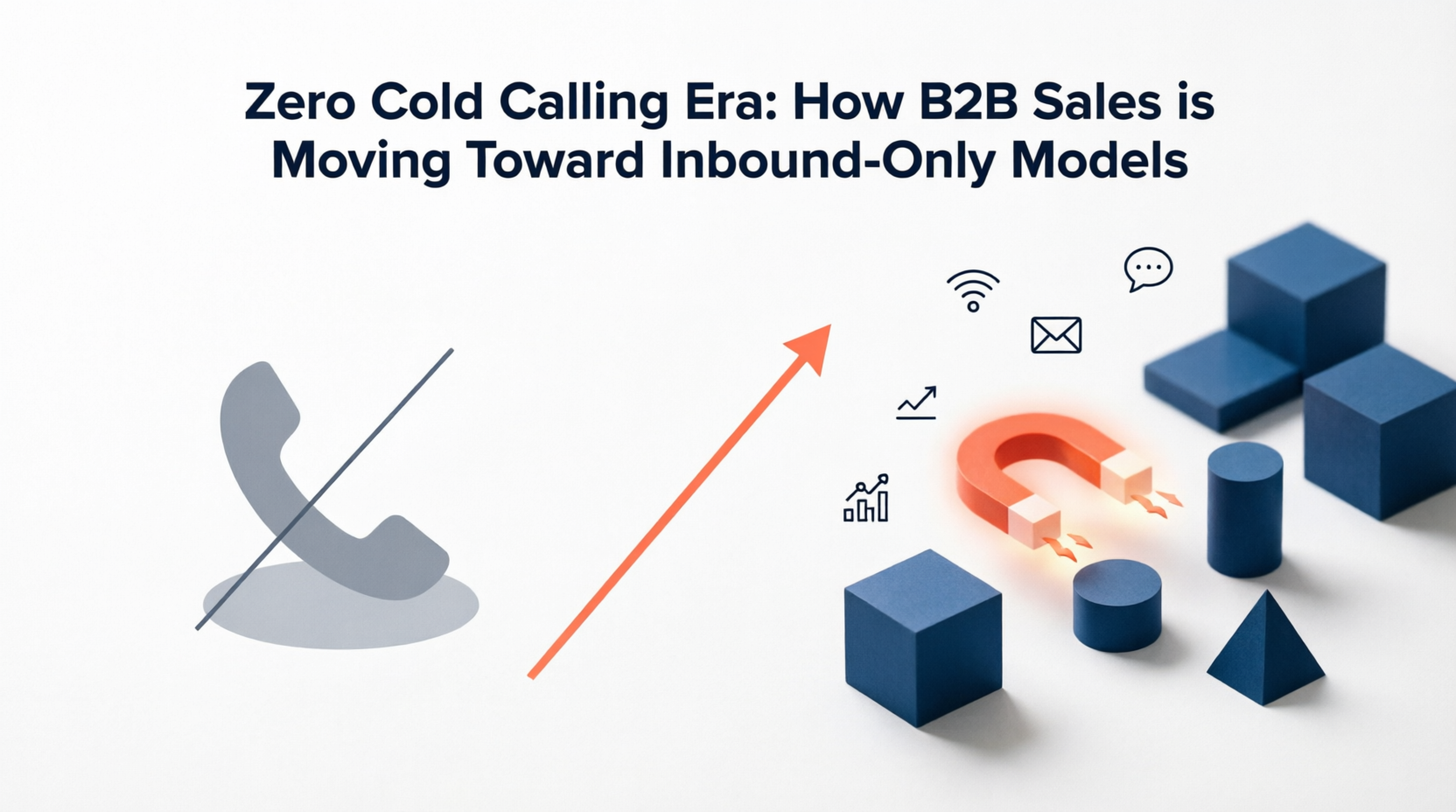
Introduction: The Decline of Cold Calling in Modern B2B Sales –
B2B sales has undergone a major transformation in the last decade, and one of the most visible changes is the decline of cold calling. Traditional sales teams once depended heavily on outbound calls to generate leads, but modern buyers no longer respond the same way. Today’s business customers prefer to research, compare, and evaluate solutions before engaging with sales representatives. This shift has given rise to inbound-only sales models, where leads come organically through digital channels. Content marketing, search engines, webinars, and social platforms now play a critical role in attracting buyers. Companies are focusing more on creating value-driven content rather than interruptive outreach. Cold calling is often seen as inefficient, time-consuming, and low-conversion in comparison.
- Cold calling is declining in effectiveness
- Buyers prefer self-research before engagement
- Inbound channels are becoming primary lead sources
- Content-driven marketing attracts qualified prospects
What is Inbound-Only B2B Sales?
Inbound-only B2B sales refers to a model where all leads are generated through organic or non-intrusive channels. Instead of reaching out to prospects directly, companies attract potential buyers through valuable content, SEO, webinars, case studies, and digital engagement. Platforms like HubSpot have popularized this approach by integrating marketing automation and CRM tools. In this model, marketing and sales teams work closely to guide prospects through the buyer journey. The focus is on educating customers rather than aggressively selling to them. Leads are often higher quality because they are self-qualified through interest and engagement. IT systems and analytics play a crucial role in tracking user behavior and intent.
- Generates leads through organic digital channels
- Focuses on education rather than direct selling
- Uses CRM and automation tools for lead management
Why Cold Calling is Becoming Less Effective –
Cold calling is losing effectiveness due to significant changes in buyer expectations and technology. Modern decision-makers are more informed and often ignore unsolicited calls. With easy access to online information, buyers prefer conducting independent research before speaking to sales representatives. Cold calls are often perceived as intrusive and irrelevant, leading to low response rates. Additionally, businesses now operate in global and digital environments where communication happens through email, social platforms, and virtual meetings. Time constraints also make it difficult for executives to engage in unexpected calls. Sales teams spend a large amount of time on low-conversion activities when relying on cold outreach.
- Low response rates from decision-makers
- Buyers prefer independent research
- Cold calls seen as intrusive and outdated
Digital Inbound Ecosystem: The New Sales Engine –
The inbound sales model is powered by a complete digital ecosystem that attracts, nurtures, and converts leads. This ecosystem includes SEO-optimized content, blogs, videos, webinars, and social media engagement. Companies use analytics tools to understand customer intent and behavior patterns. Platforms like Salesforce help manage and track customer journeys from initial contact to final conversion. Marketing automation ensures that leads receive personalized content based on their interests. IT systems integrate multiple channels into a unified dashboard for better visibility. Email nurturing campaigns and remarketing strategies further guide prospects through the funnel. This ecosystem ensures that customers are engaged long before a sales conversation happens.
- Uses SEO, content, and digital marketing channels
- Tracks customer behavior and intent signals
The Future of B2B Sales: Inbound-Driven and AI-Powered –
The future of B2B sales is increasingly driven by inbound strategies combined with artificial intelligence. AI tools analyze large volumes of data to identify high-intent buyers and predict conversion likelihood. Systems like ChatGPT are being used to enhance customer interaction, content creation, and lead engagement. Sales teams are shifting from cold outreach to intelligent engagement based on data insights. Personalization at scale is becoming a standard expectation in B2B interactions. AI helps businesses deliver the right message at the right time through the right channel. Inbound systems are also becoming more automated, reducing manual workload.
- AI enhances lead identification and targeting
- Enables personalized engagement at scale
- Reduces dependency on manual outreach
- Improves customer experience and journey
Conclusion –
The shift from cold calling to inbound-only B2B sales represents a fundamental change in how businesses attract and convert customers. Modern buyers demand more control, information, and value before engaging with sales teams. Inbound strategies meet these expectations by focusing on content, trust, and digital engagement. With the support of advanced CRM systems, automation tools, and AI technologies, companies can now build more efficient and scalable sales engines. Cold calling is no longer the dominant force it once was, as digital-first strategies continue to outperform traditional outreach methods.